
Essential Travel Quick Facts (Phnom Penh at a Glance)
Before you dive into the bustling streets of the capital, getting the logistics right is the first step to a stress-free trip. Cambodia has its own unique quirks regarding money and visas that can surprise first-time visitors from the West. Here is everything you need to know before you land.
E-Visa vs. Visa on Arrival
For travelers from Australia, the UK, and the USA, obtaining a visa for Cambodia is straightforward. You generally have two convenient options:
Visa on Arrival (VOA): You can obtain a tourist visa (Type T) immediately upon landing at Phnom Penh International Airport (PHN). The cost is currently $30 USD, payable in cash. You will need a passport valid for at least six months and, occasionally, a passport-sized photo (though this requirement is becoming less strict, it is safer to carry one).
E-Visa (Recommended): To skip the queues after a long-haul flight, apply online beforehand at the official government website (evisa.gov.kh). The cost is $36 USD (including processing fees). You simply print two copies of the certificate—one for entry and one for exit.
Currency: The Dual System Explained
Cambodia operates on a unique dual-currency system where the US Dollar (USD) and the Cambodian Riel (KHR) are used interchangeably.
How it works: You will pay for most hotels, tours, and restaurant meals in USD. Your change for amounts under $10 or $1 will often be given in Riel.
Exchange Rate: The fixed street rate is generally 4,000 Riel to $1 USD.
Crucial Tip: Cambodian merchants are extremely strict about the condition of US banknotes. Do not bring torn, old, or stained bills, as they will be rejected everywhere. Ensure your dollars are crisp and new.
Connectivity: Staying Online
Getting connected is cheap and fast. Avoid expensive international roaming charges by picking up a local SIM card at the arrivals hall in Phnom Penh Airport.
Best Providers: Smart and Cellcard offer the best coverage in Phnom Penh and major tourist areas.
Cost: You can typically get a tourist SIM package with generous 4G/5G data (e.g., 30GB+) for as little as $5–$10 USD.
E-SIM: If you prefer to have data the moment you land, apps like Airalo work well in Cambodia, though local SIMs are significantly cheaper.
Best Time to Visit
Cool & Dry Season (November – February): This is widely considered the best time to visit. Temperatures are manageable (25°C–30°C), and humidity is lower, making it perfect for walking tours and exploring the Royal Palace.
Hot Season (March – May): Temperatures can soar above 35°C (95°F). April is particularly hot, though it coincides with Khmer New Year, a vibrant cultural celebration.
Green Season (June – October): Expect regular tropical downpours, usually in the late afternoon. The upside is fewer crowds, lush green landscapes, and lower hotel rates.
Top Things to Do in Phnom Penh (Must-See Attractions)

Phnom Penh is a city of stark contrasts, where glittering royal spires sit just miles from the somber reminders of a tragic past. To truly understand Cambodia, you must experience both. While the city is rapidly modernizing, these core sites remain the essential pillars of any itinerary, offering a deep dive into the kingdom’s history, spirituality, and resilience.
The Royal Palace & Silver Pagoda
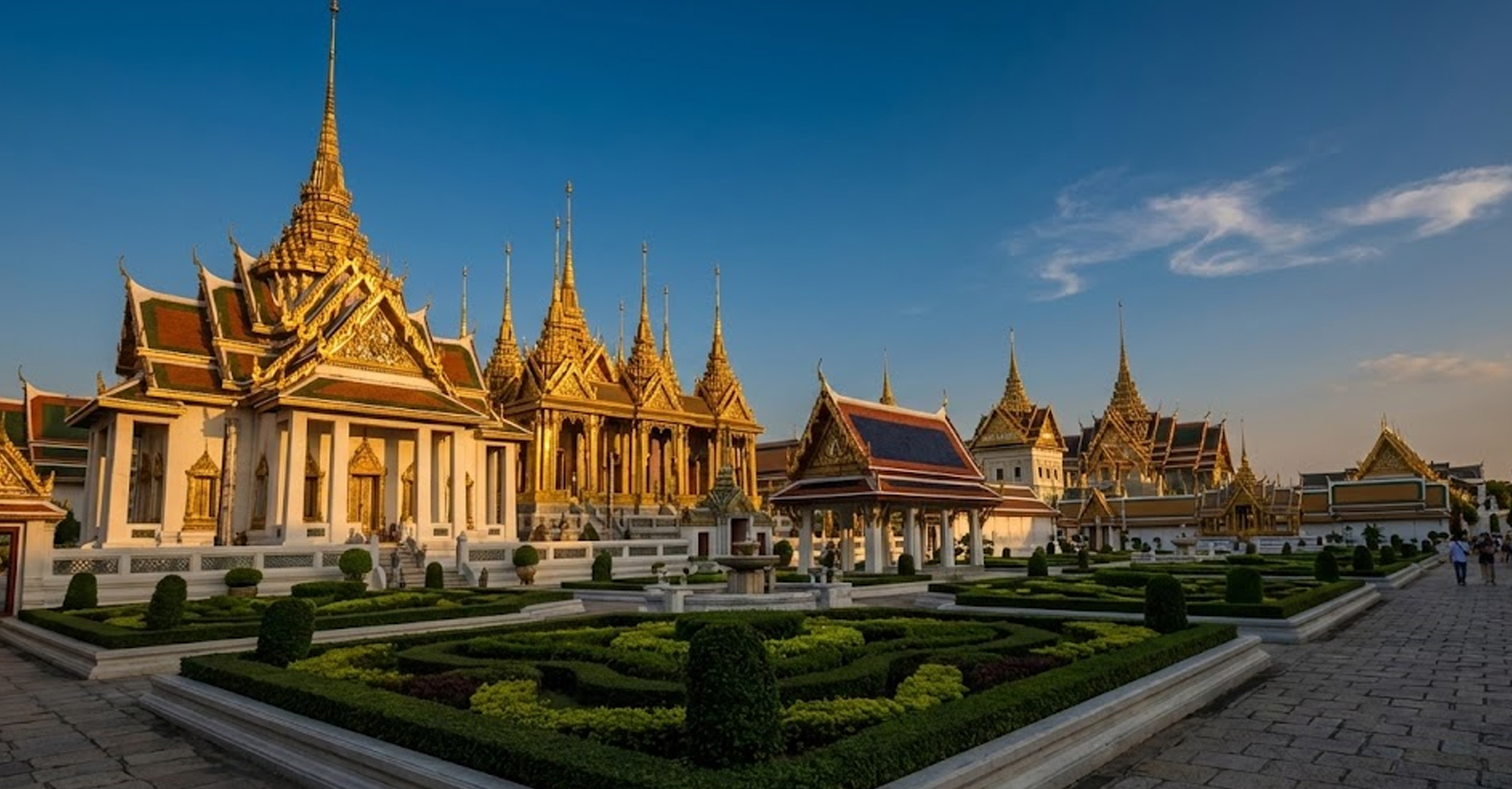
Standing proudly on the riverfront, the Royal Palace is the shimmering symbol of the Cambodian monarchy. The complex is a masterpiece of classic Khmer architecture, dominated by the Throne Hall’s soaring golden spires. Within the same grounds lies the Silver Pagoda, named for its floor covered in over 5,000 silver tiles, housing a life-sized gold Buddha encrusted with thousands of diamonds.
Essential Tip: The Royal Palace dress code is strictly enforced. Security will turn you away if your attire is considered disrespectful. Both men and women must cover their shoulders and knees—scarves wrapped around tank tops are often rejected. Wear a t-shirt and long pants or a skirt that falls below the knee to ensure entry.
The Killing Fields (Choeung Ek) & Tuol Sleng Genocide Museum (S-21)
For many Western travelers, this is the most difficult but meaningful part of the trip. These two sites document the atrocities of the Khmer Rouge regime (1975–1979) and stand as powerful memorials to the millions of lives lost.
Tuol Sleng (S-21): Formerly a high school, this site was turned into a notorious security prison. Walking through the classrooms-turned-cells is a harrowing experience that lays bare the reality of the regime.
The Killing Fields (Choeung Ek): Located about 15km from the city center, this peaceful orchard served as an execution ground. A Buddhist stupa filled with skulls now stands as a memorial at the center.
While emotionally draining, a Killing Fields tour coupled with S-21 is crucial for understanding modern Cambodia. We highly recommend using the audio guides available at both sites; they are narrated by survivors and provide exceptional context that a signboard cannot convey.
Wat Phnom: The City’s Namesake
Perched atop a 27-meter-high man-made hill, Wat Phnom is the tallest religious structure in the city and the legendary founding place of Phnom Penh. According to local lore, a widow named Lady Penh discovered four Buddha statues here in 1372. Today, it is a bustling center of local faith where residents come to pray for luck and success. It offers a pleasant, shaded break from the city heat and is a great spot to watch monkeys playing in the trees—though keep a close eye on your snacks.
Sunset Cruise on the Mekong
After a day of exploring dusty streets and heavy history, there is no better way to decompress than on the water. The confluence of the Mekong and Tonle Sap rivers offers a unique vantage point of the developing skyline. A Mekong river cruise at "golden hour" (around 5:00 PM) allows you to catch a cooling breeze and watch the sun dip behind the Royal Palace. Options range from simple wooden boats serving cold beer to sophisticated dinner cruises with full service. It is the perfect moment to reflect on the day while drifting past local fishing boats and the illuminated riverfront.
Suggested Itineraries: Planning Your Time in Phnom Penh
Whether Phnom Penh is a quick stopover or a deeper dive within a broader Cambodia journey, the city fits easily into flexible, open itineraries. Below are suggested itinerary frameworks designed for different travel styles and trip lengths—ideal for combining with Siem Reap or other destinations.
1-Day Phnom Penh City Tour
Best for: History buffs, first-time visitors, travelers with limited time, and stopovers.
This itinerary offers a powerful introduction to Phnom Penh, focusing on the country’s modern history balanced with lighter cultural moments. It is designed to cover the most significant landmarks without feeling rushed.
Suggested highlights:
Tuol Sleng Genocide Museum (S-21): Essential for understanding the country's past.
Choeung Ek Killing Fields: A moving memorial located just outside the city.
Royal Palace & Silver Pagoda: The architectural jewel of the city (visit time permitting).
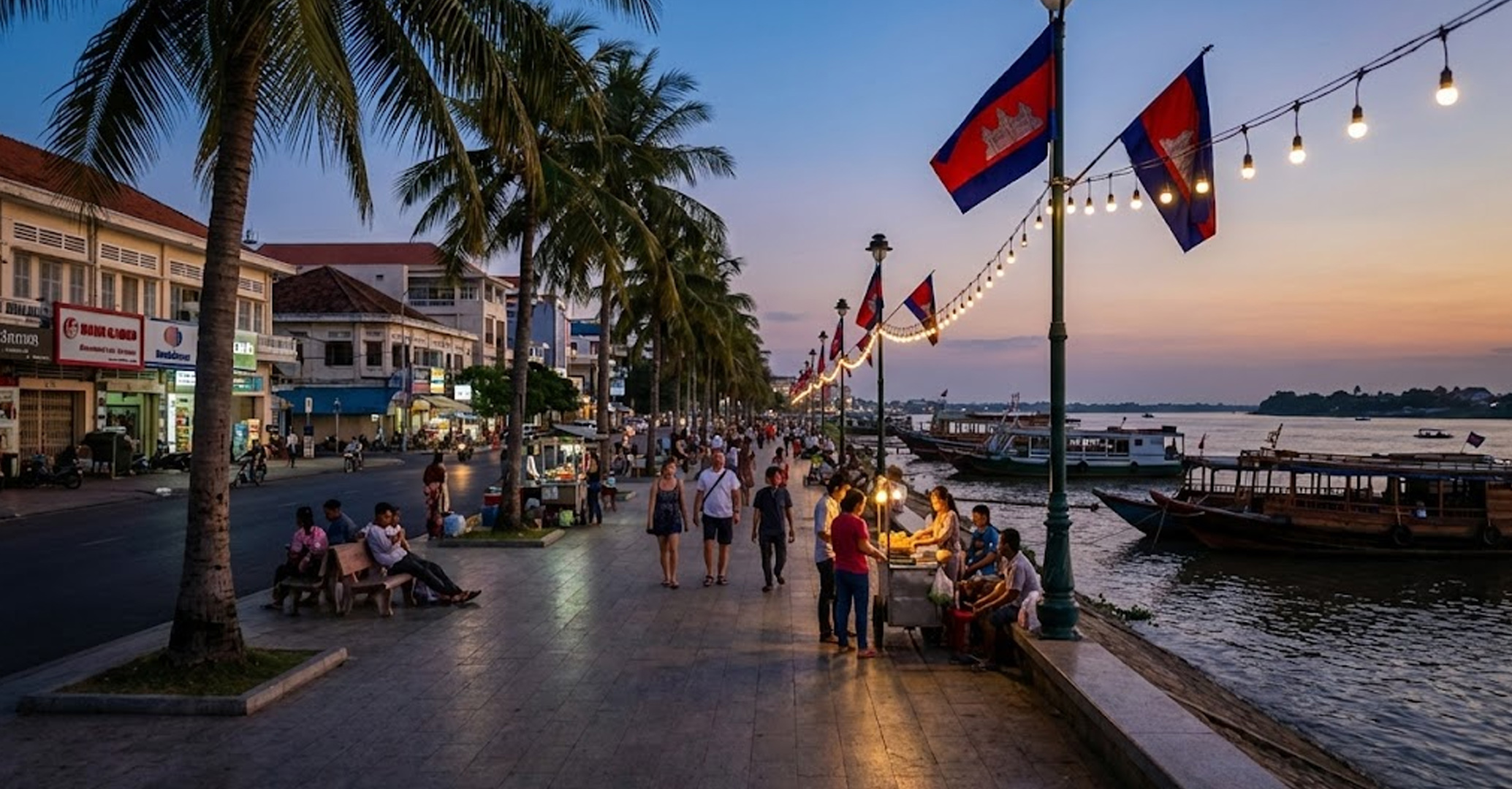
Sunset walk along the Mekong Riverside: The best way to soak up the local atmosphere.
Riverside dinner or local Khmer restaurant: Try classic dishes like Fish Amok.
This works well as a comprehensive day tour or a stopover day before continuing your journey.
2 Days in Phnom Penh (Ideal as Part of a Cambodia Itinerary)
Best for: Cultural travelers, first-time Cambodia visitors, and couples.
This option is perfect when Phnom Penh is included as the starting point of a "Highlights of Cambodia" itinerary. It gives you enough time to settle in and see the sights before heading north to the temples.
How it fits into a wider trip:
Day 1: Arrival in Phnom Penh, light sightseeing, and acclimatizing to the city.
Day 2: Full Phnom Penh city exploration covering major historical and cultural sites.
Day 3: Morning activity or leisure breakfast, then travel to Siem Reap (flight or overland).
Suggested highlights across the 2 days:
Royal Palace & Silver Pagoda
Tuol Sleng Genocide Museum
Central Market (Psar Thmei) or Russian Market (Tuol Tom Poung)
Wat Phnom: The legendary birthplace of the city.
Mekong Riverside & café culture
This structure allows travelers to absorb the capital at a steady pace without rushing before heading to Angkor Wat.
3 Days in Phnom Penh
Best for: Curious explorers, slow travelers, and repeat visitors.
With three days, Phnom Penh reveals more of its personality beyond the headline attractions. You have the freedom to explore local neighborhoods, culinary scenes, and artistic corners of the city.
Suggested highlights:
Tuol Sleng & Killing Fields: Take an in-depth visit without time pressure.
Royal Palace complex: Explore the grounds at a leisurely pace.
Central Market, Russian Market, or local neighborhood markets: Great for photography and souvenirs.
Street food tour or cooking class: distinct culinary experiences to taste authentic Khmer flavors.
Silk Island (Koh Dach) or street art walking tour: Discover traditional weaving or modern urban art.
Evening river cruise or rooftop bar: Enjoy panoramic views of the city skyline.
This itinerary balances history, culture, and local life at a relaxed, enjoyable pace.
5 Days in Phnom Penh & Surroundings
Best for: Cultural immersion seekers, photographers, and travelers wanting depth over speed.
Five days allows Phnom Penh to be explored alongside its lesser-visited surroundings, offering a richer, more nuanced understanding of Cambodia beyond the urban center.
Suggested highlights:
Full Phnom Penh city tour: A deep dive into history, architecture, and culture.
Silk Island (Koh Dach): Visit traditional weaving villages and cycle through rural lanes.
Oudong: Explore the stupas and temples of the former royal capital.
Local markets & contemporary art spaces: Engage with the city's thriving creative scene.
Countryside cycling or rural village visit: Experience the authentic pace of life in Kandal province.
Mekong or Tonlé Sap river experiences: Boat trips that offer a different perspective of the region.
This itinerary works well as a standalone cultural journey or the southern anchor of a longer, comprehensive Cambodia trip.
Where to Stay: Best Districts & Hotels in Phnom Penh
Choosing the right base in Phnom Penh can define your experience. Unlike the compact temple town of Siem Reap, Phnom Penh is a sprawling metropolis. However, for most discerning travelers from Australia, the UK, and the US, the choice effectively narrows down to two distinct districts: the historic Riverside and the sophisticated BKK1 (Boeung Keng Kang 1).
Choosing Your District: BKK1 vs. Riverside
Riverside (Sisowath Quay & Daun Penh): This is the historic heart of the city. Staying here puts you within walking distance of the Royal Palace, the National Museum, and the Mekong River.
The Vibe: Energetic, bustling, and unapologetically tourist-focused. It offers stunning river views and easy access to rooftop bars.
Best For: Travelers who want to be in the center of the action and value proximity to major sightseeing landmarks over quiet evenings.
BKK1 (Boeung Keng Kang 1): Often referred to as the "Foreign Quarter" or the most upscale district in the city, BKK1 is home to embassies, NGOs, and colonial villas.
The Vibe: Cosmopolitan, leafy, and chic. The streets are lined with high-end cafes, international dining, and boutique spas. It feels calmer and more pedestrian-friendly than the Riverside.
Best For: Travelers seeking a sophisticated, safer-feeling environment with access to the city’s best culinary scene.
Recommended Accommodation
We have curated a list of properties that meet high international standards for service, security, and comfort.
1. Ultra-Luxury & Historic Icons (The Very Best)
For travelers who demand world-class service and heritage.
Rosewood Phnom Penh: Located in the Vattanac Capital Tower, this is the pinnacle of modern luxury. Occupying the top floors of the city's tallest building, it offers unmatched panoramic views, an elite sky bar, and service levels that cater to the most demanding US and UK clientele.
Raffles Hotel Le Royal: The "Grand Dame" of Cambodia. Established in 1929, this heritage hotel has hosted Jackie Kennedy and Charlie Chaplin. It blends French colonial architecture with royal Khmer elegance. A stay here is a journey back in time.
2. 5-Star Excellence
Full-service hotels offering resort-style amenities and exceptional locations.
Hyatt Regency Phnom Penh: A perfect blend of old and new, located right near the Royal Palace. It integrates a restored colonial villa with a modern tower, offering reliable international standards and a fantastic pool area.
Sofitel Phnom Penh Phokeethra: Situated slightly outside the chaotic center, this riverside resort feels like a sanctuary. With expansive gardens and arguably the best sports club in the city, it is ideal for those seeking space and tranquility.
Palace Gate Hotel & Resort: A luxury boutique option offering a distinctively Khmer aesthetic, located immediately adjacent to the Royal Palace.
3. Premium 4-Star & Boutique Hotels
Phnom Penh excels in the "Boutique Hotel" category—often converted colonial villas hidden behind high walls, offering a private, tranquil oasis with high-end service.
The Plantation Urban Resort: Located directly behind the Royal Palace, this property is a favorite for Australian and British travelers. It features two large swimming pools and a relaxed, open-air colonial design that feels unmistakably Cambodian.
White Mansion: The former residence of the US Ambassador, this boutique hotel features spacious rooms with high ceilings, a grand staircase, and a highly-rated bakery on-site. It sits comfortably in the BKK1 district.
Baitong Hotel & Resort: A design-forward, eco-chic hotel in BKK1. It features unique architecture with hanging gardens and a glass-bottom pool, appealing to travelers looking for modern style and comfort.
Food & Nightlife: Eating Like a Local
While Thai and Vietnamese cuisines are globally famous, Cambodian (Khmer) cuisine remains Southeast Asia's culinary best-kept secret. For the discerning traveler, Phnom Penh offers a sophisticated dining landscape that blends traditional recipes with modern, high-end execution.
Must-Try Khmer Dishes
Authentic Khmer cuisine is defined by complex spice pastes (kroeung), fresh herbs, and a delicate balance of flavors—generally less spicy than Thai food but incredibly aromatic.
Fish Amok: The national dish. Unlike a typical runny curry, a proper Amok is a steam-cooked fish mousse with coconut milk and kroeung, served elegantly in a banana leaf cup.
Beef Lok Lak: Succulent cubes of wok-seared beef served with a dipping sauce made from lime juice and the world-famous Kampot Pepper.
Num Banh Chok: Often called "Khmer noodles," this is a beloved breakfast dish consisting of fresh rice noodles topped with a fish-based green curry gravy, lemongrass, and turmeric root.
The Dining Scene: From Markets to Fine Dining
Phnom Penh’s culinary scene has matured significantly, offering experiences that range from vibrant cultural immersions to world-class gastronomy.
Refined Heritage Dining: For a safe and exquisite introduction to local flavors, we recommend Malis Restaurant. Founded by Cambodia’s master chef Luu Meng, Malis is dedicated to restoring "Living Cambodian Cuisine"—traditional recipes that were nearly lost to history. It offers a majestic courtyard setting perfect for a premium dinner.
Street Food & Night Markets: The Phnom Penh Night Market offers a vibrant look at local life. However, street food safety is a valid concern for Western travelers. For our clients, we recommend experiencing the energy of the market with a private guide who can navigate you to the safest vendors, or opting for a guided Vespa food tour where hygiene-checked stops are pre-arranged.
Nightlife: Rooftops & Hidden Lanes
After dark, Phnom Penh transforms. The city has moved far beyond simple pubs, now boasting a cocktail culture that rivals Bangkok or Singapore.
Bassac Lane: Hidden within a network of small alleyways off Street 308, this is the trendiest area for expats and travelers. It is a collection of boutique "speakeasy" style bars, each with a unique theme—from jazz lounges to gin bars. It is chic, safe, and lively without being chaotic.
Riverside Rooftops: While the street level of the Riverside can be gritty, the rooftops offer a different world. Venues like Juniper Gin Bar or the Sora Sky Bar (at the Rosewood) offer breathtaking views over the Mekong River and the Royal Palace. These are ideal spots for a sunset cocktail in a refined, air-conditioned, or breezy open-air setting.
Getting Around & Transport Safety
Navigating Phnom Penh can be an adventure in itself. The traffic is chaotic, and the rules of the road often feel like mere suggestions. For our clients, comfort and safety are paramount, so knowing your options is essential.
Ride-Hailing Apps: The Safe Way to Travel
While traditional haggling was once part of the experience, we strongly advise travelers to use ride-hailing apps for short trips within the city.
Grab & PassApp: These are the Uber equivalents in Cambodia. They provide a fixed price upfront, eliminating the risk of overcharging and removing the language barrier. You can book everything from a classic "Remorque" (a carriage pulled by a motorbike) to a modern air-conditioned SUV.
Safety Tip: Using these apps adds a layer of accountability, as the driver’s details are tracked. Link your credit card to the app to avoid handling cash on the street.
Airport Transfers
Phnom Penh International Airport (PNH) is located about 10km west of the city center. Depending on traffic, the journey can take anywhere from 40 minutes to over an hour.
Private Transfer (Recommended): For a seamless arrival, we always recommend pre-booking a private car transfer. Having a driver waiting for you at the arrivals gate with your name on a sign ensures you bypass the taxi queues and step immediately into the cool comfort of a private vehicle—invaluable after a long-haul flight.
Airport Taxi: If you have not pre-booked, look for the official Airport Taxi Association counter just outside the terminal. They offer fixed-rate prices to the city center, avoiding the uncertainty of street taxis.
A Note on Walking
Phnom Penh is not a walking-friendly city in the European sense. Sidewalks are frequently blocked by parked motorbikes or street stalls, forcing pedestrians onto the road. Combined with the tropical heat, walking long distances can be exhausting and unsafe. We recommend using private transport or tuk-tuks for anything more than a short stroll along the Riverside.
Safety & Practical Travel Tips
Phnom Penh is generally a safe and welcoming city, but like any rapidly developing capital, it requires a degree of "street smarts." By taking simple precautions, you can enjoy your visit without worry.
Petty Crime: The "Motorbike Snatch"
The most common risk for tourists in Phnom Penh is bag or phone snatching by thieves on motorbikes. This is not violent crime, but it is opportunistic.
The Golden Rule: Never text or check maps while standing near the edge of the road. If you need to use your phone, step inside a shop or hotel lobby.
Bag Safety: When walking or riding in an open tuk-tuk, keep your bag securely strapped across your body and positioned away from the traffic side. Avoid leaving bags sitting on the floor or seat of a tuk-tuk where they can be easily grabbed.
Health & Water Safety
Drinking Water: Do not drink tap water in Cambodia. Always stick to sealed bottled water. Ice in restaurants and hotels is generally safe, as it is produced in factories with filtered water (look for cylindrical ice cubes with a hole in the center).
Pharmacies: If you need medication, stick to reputable chain pharmacies like U-Care or Pharmacie de la Gare, which stock imported Western brands. Avoid small roadside stalls where counterfeit medication can be an issue.
Phnom Penh is far more than just a stopover on the way to Angkor Wat; it is the resilient, beating heart of the Kingdom. From the solemn echoes of its recent history to the golden spires of the Royal Palace and the vibrant energy of the riverside, the capital offers a profound connection to the Cambodian spirit that few other cities can match. It is a place that challenges you, moves you, and ultimately welcomes you with open arms.
To truly understand the depth of this region, the capital is just the beginning of the story. Whether you wish to combine the city’s urban charm with the ancient temples of Siem Reap on one of our curated Cambodia tours, or extend your journey across borders for a wider multi-country Indochina adventure, the possibilities for discovery are vast.
Planning a long-haul trip to Southeast Asia should be exciting, not overwhelming. If you are unsure how to balance your time or navigation, our local team is here to help you design the perfect route. You can request a tailor-made itinerary designed specifically around your travel style, or simply contact our travel experts for honest, on-the-ground advice to ensure your journey is seamless.
